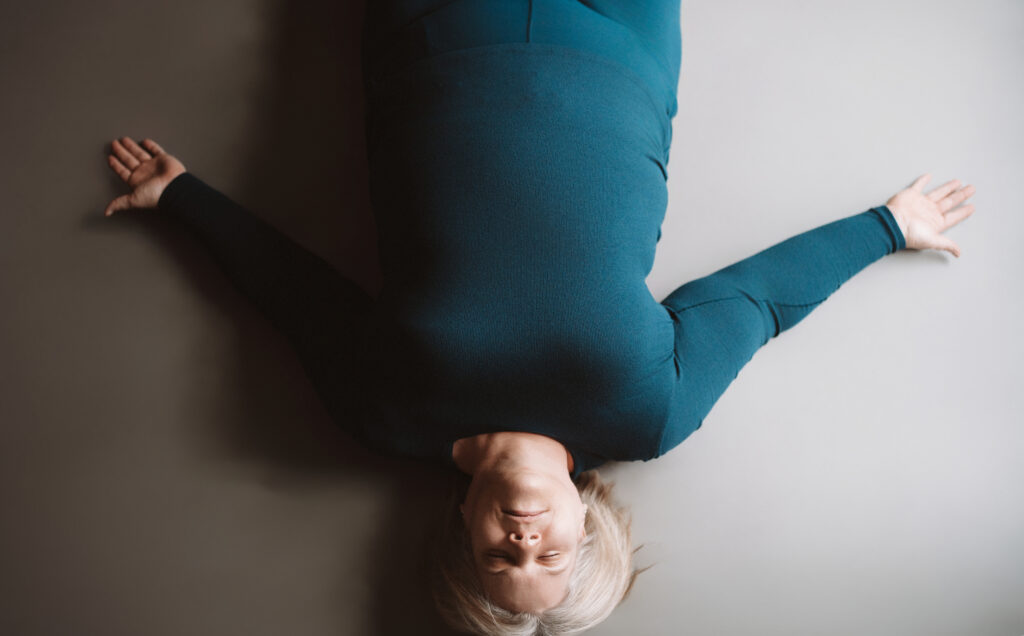
Spring
Tadasana tells the story of standing in a relationship rooted in stability, shaped by responsibility, and sustained through quiet endurance, where survival and motherhood become daily acts of care and strength.
Through Indigenous ways of knowing and the seasons, it reflects a cyclical life grounded, rising, expanding, and integrating while embodying human rights and social justice as the ability to stand with dignity and presence as both a right and an act of resistance.
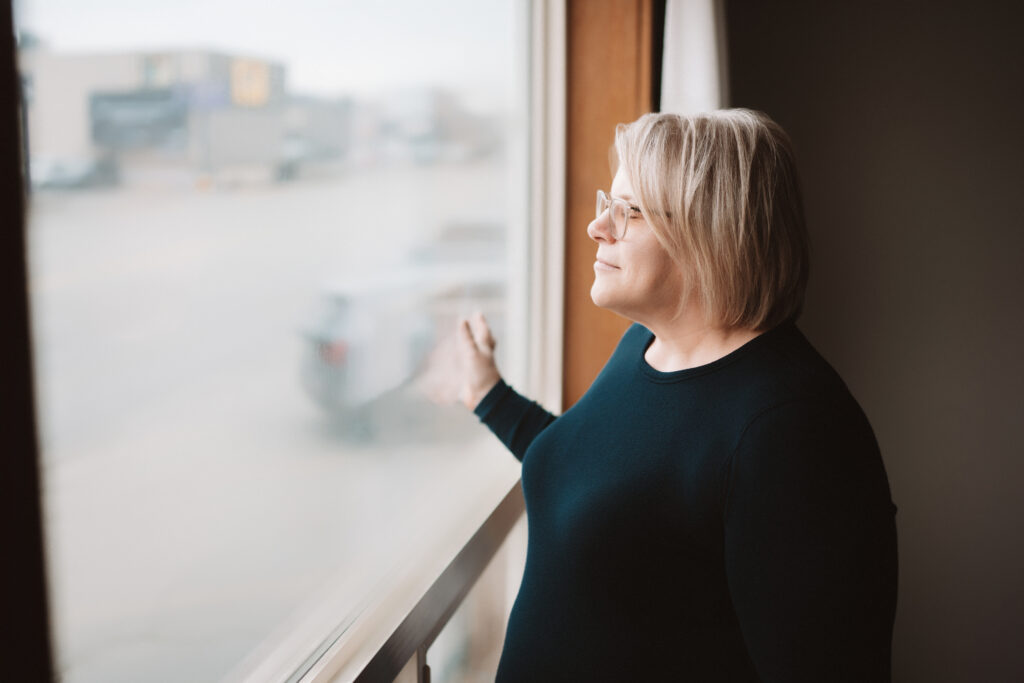
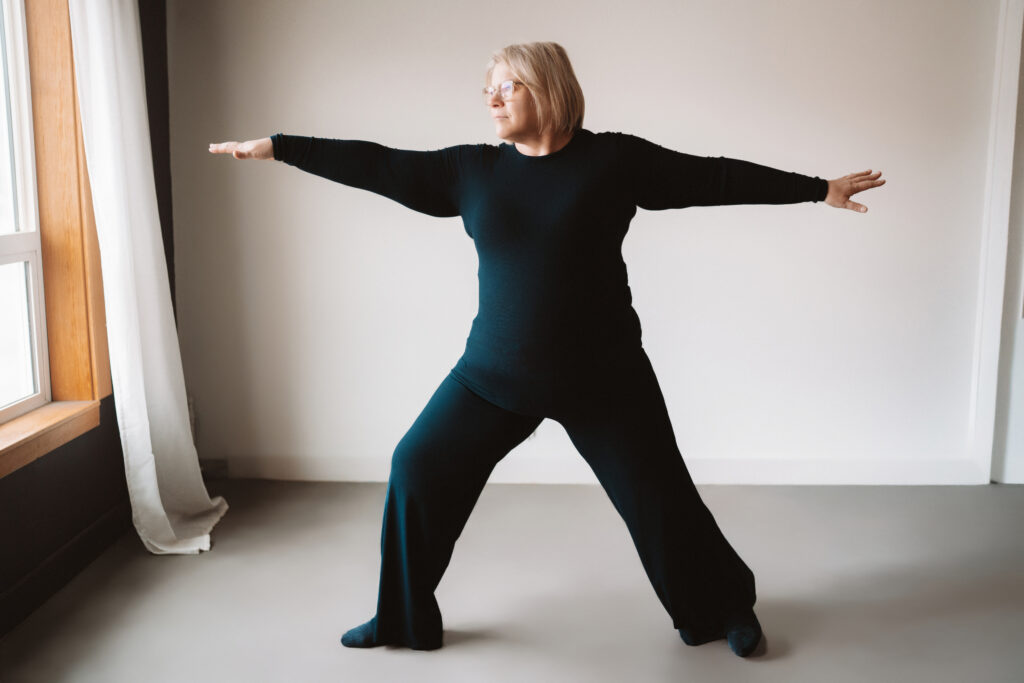
Summer
Virabhadrasana II holds the story of advocacy as witnessing, grounded, open, and steady, where sustained presence becomes moral courage.
Like summer, it embodies visibility and engagement, reminding us that, in human rights and social justice, standing firm and not turning away is itself an act of protection and resistance.
Autumn
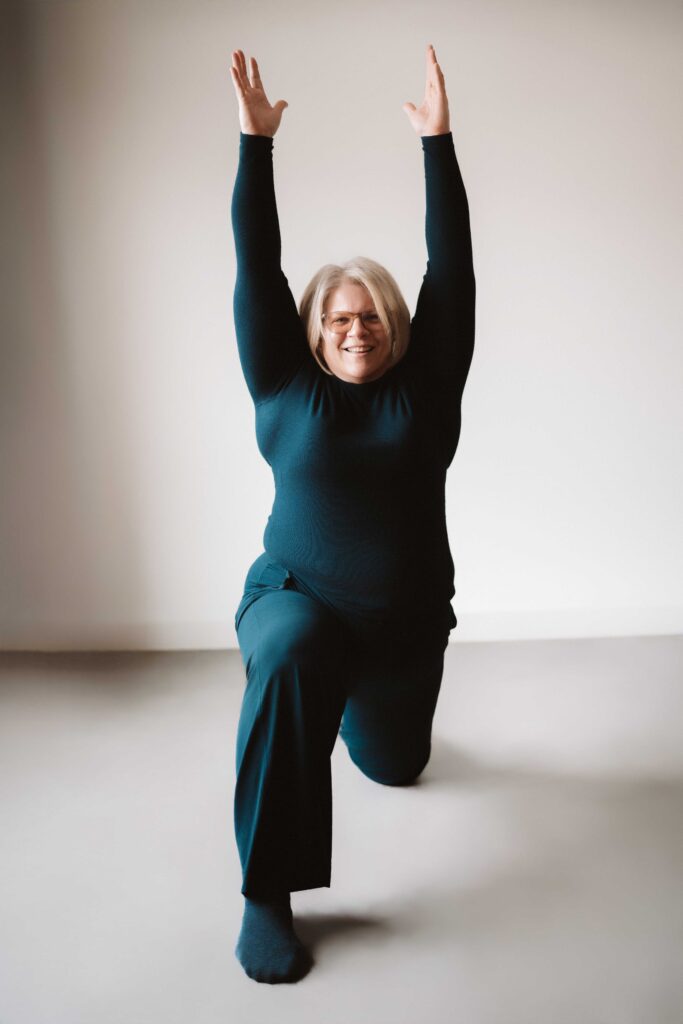
Anjaneyasana holds the story of rupture where the ground shifts, stability dissolves, and transition becomes the only place to stand, asking for courage in the face of change.
Through Indigenous ways of knowing and the teachings of autumn, it reflects letting go and rebalancing, while revealing human rights and social justice as the need for support, dignity, and care when life becomes unstable.
Winter
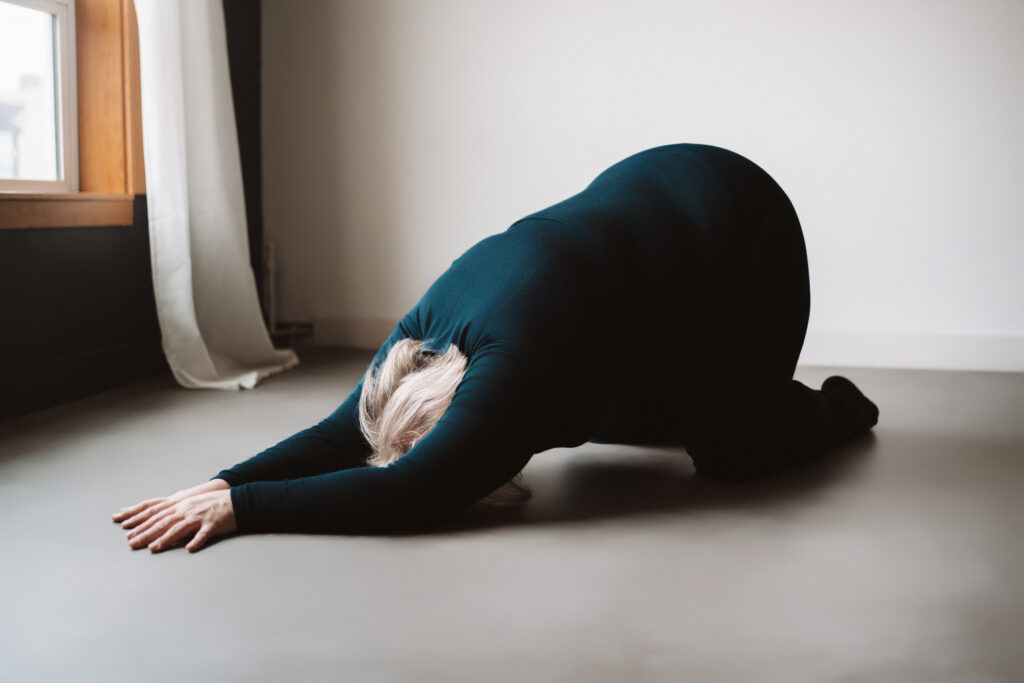
Balasana holds my experience through the MAHRSJ program as a winter active rest, where Indigenous ways of knowing guide integration through stillness, inviting a gentle awakening within.
Here, we unlearn, untangle, and re-merge, understanding human rights and social justice as practices that require pause, care, and the quiet rebuilding of self and relationship.
Imbolc (the midway point)
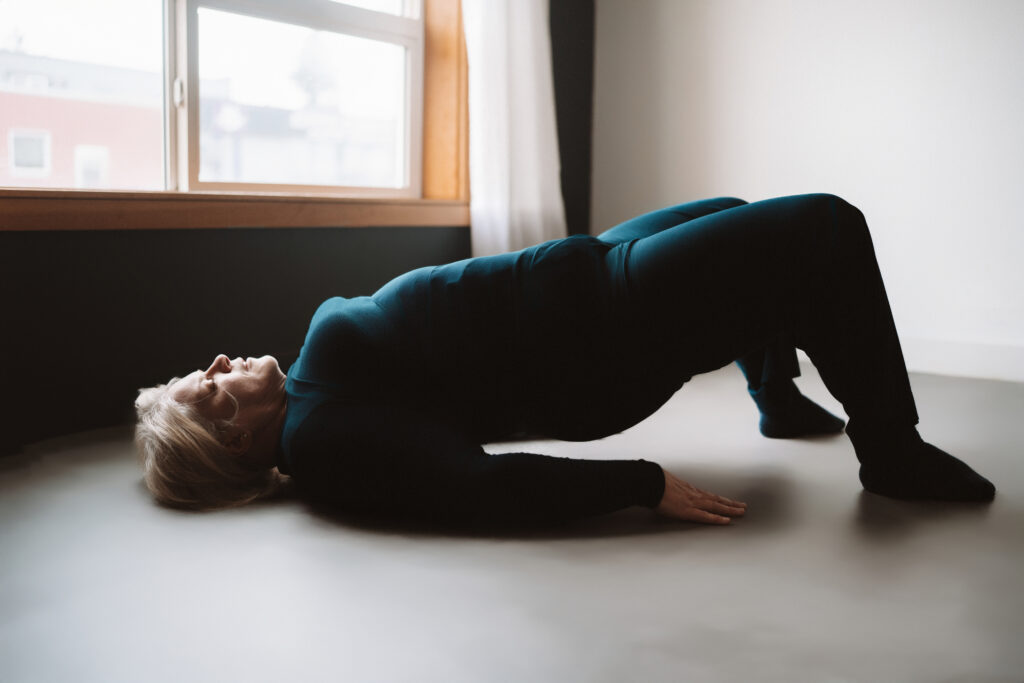
Setu Bandha Sarvangasana holds the story of Imbolc and offers a heartwarming, non-forceful experience, where support allows opening, and Indigenous ways of knowing remind us that renewal comes through relationship and care.
In this gentle rising, human rights emerge as conditions that make lifting possible, where support, connection, and dignity create the space for healing and return.
Spring
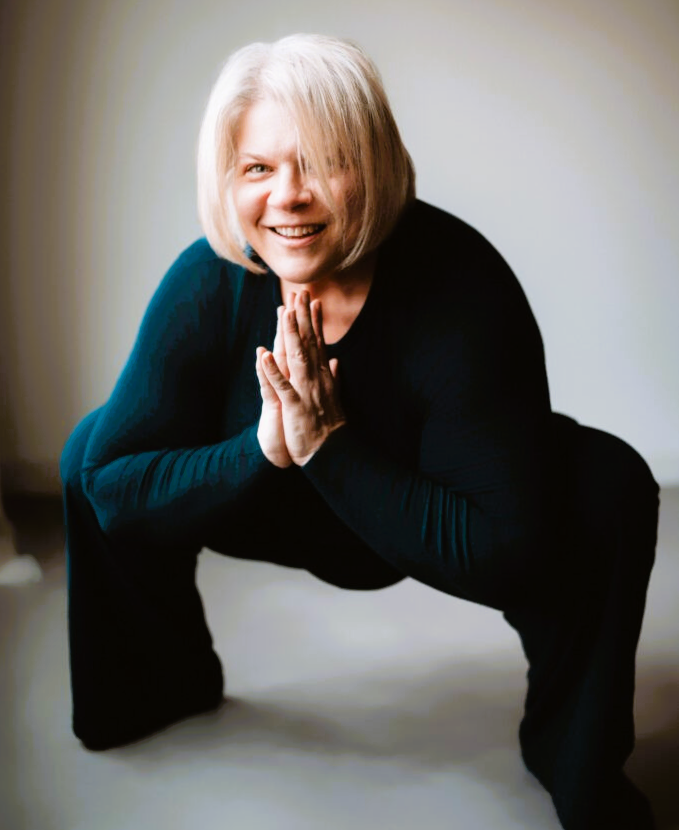
Malasana holds the story of spring grounding deeply into the earth while rising from it, where Indigenous ways of knowing teach that growth begins in relationship with land, body, and community.
In this balance of rooting and lifting, human rights and social justice emerge as the conditions that allow people to rise with dignity, supported, connected, and fully belonging
Summer
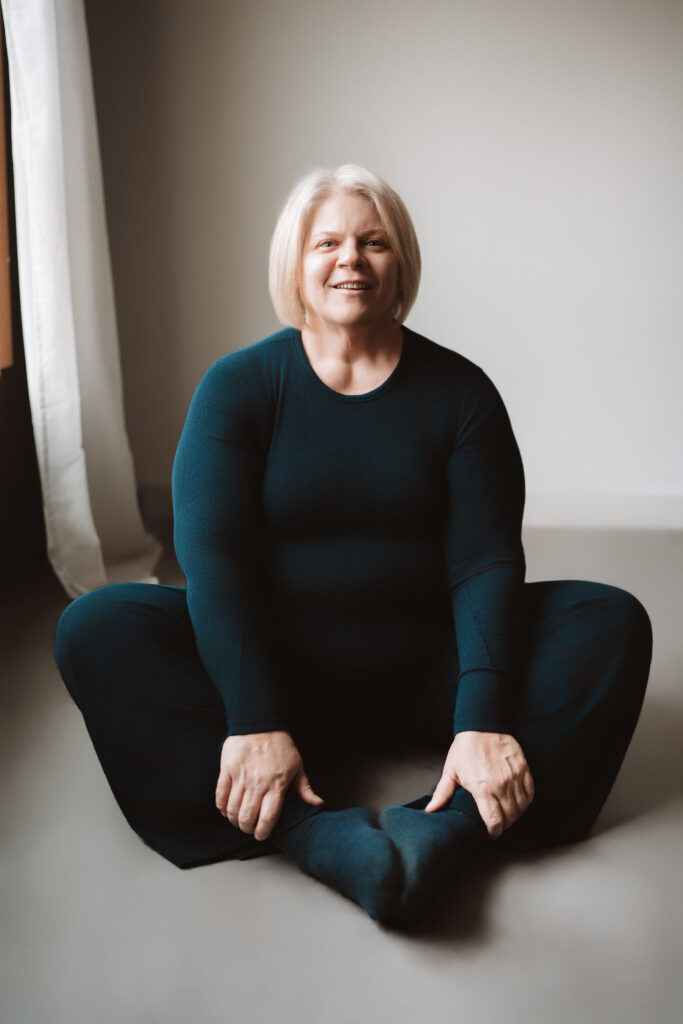
Baddha Konasana holds the story of summer, an evolving butterfly, where becoming unfolds through integration, openness, and embodied growth.
Through this gentle expansion, it reflects human rights and social justice as living practices, where transformation happens not all at once, but through ongoing integration, connection, and care.
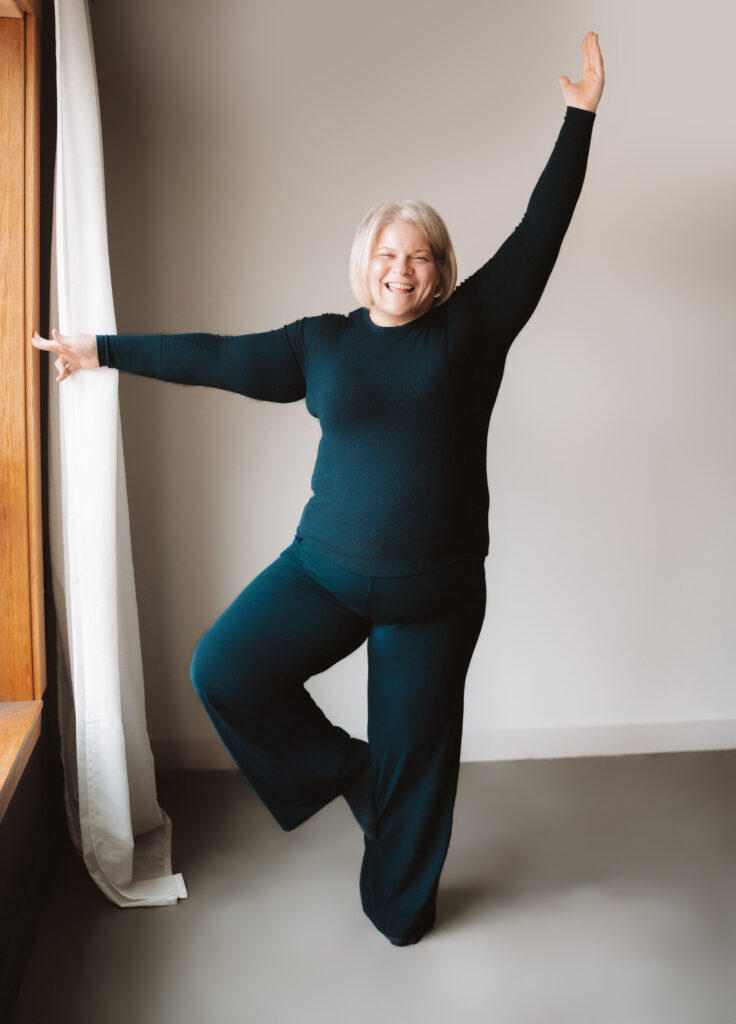
Autumn
Vrksasana holds the story of autumn community and rooting, where balance is found through relationship and connection to something larger than self.
In this grounded presence, belonging emerges as a human right, and social justice lives in the conditions that allow people to root, connect, and stand supported within the community.
Winter
Savasana holds the story of winter teaching and praxis through stillness, where rest is recognized as dignity and not absence.
In this space, human rights and social justice are lived through the honouring of rest, where care, restoration, and the right to pause become essential to sustaining life and the work.