
This section presents my learning in two ways: a structured alignment with MAHRSJ outcomes and a seasonal, embodied integration of that learning. Together, they reflect both academic understanding and how this knowledge has been lived, applied, and sustained over time.
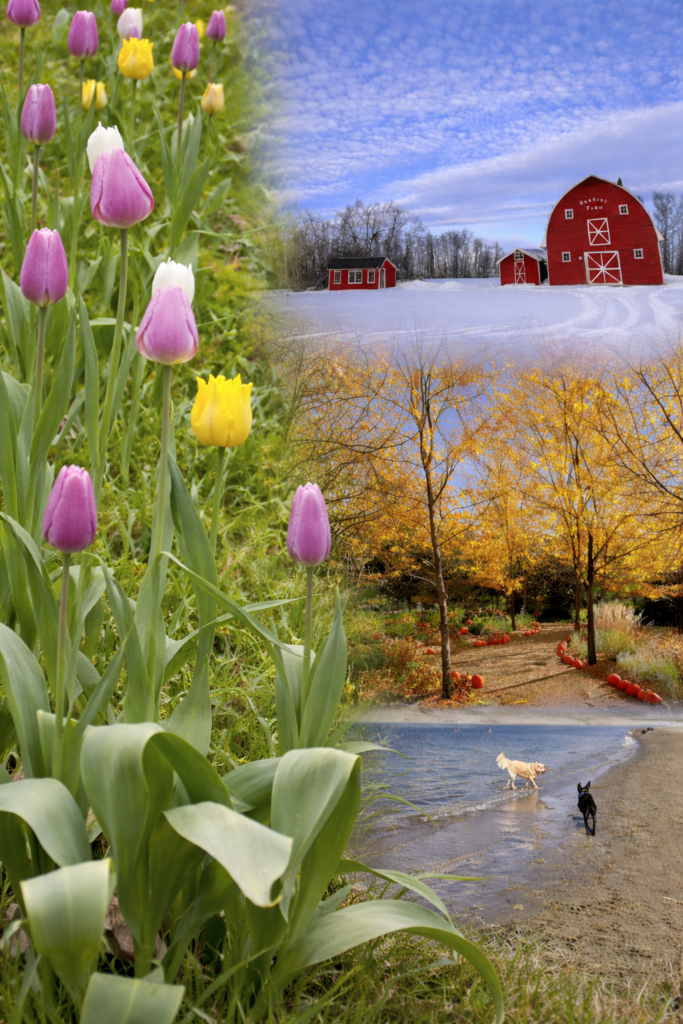
Alignment with MAHRSJ Learning Outcomes — A Seasonal Perspective
This section demonstrates alignment with MAHRSJ learning outcomes. Rather than presenting these as separate competencies, I understand them as interconnected and lived through seasons, cyclical, relational, and embodied, reflecting Indigenous ways of knowing. Over the past three years, my learning has unfolded across overlapping seasons, shaping how I move, relate, and remain present in human rights and social justice work.
1. Critical Understanding of Human Rights and Social Justice Frameworks — Spring
MAHRSJ Outcome:
Demonstrate advanced understanding of human rights principles, social justice issues, and systemic inequities.
In this early season of learning, I began to experience human rights as lived realities rather than abstract concepts. Through advocacy work, I came to understand that violations do not occur only through direct harm but also through delay, diffusion of responsibility, and the normalization of institutional neglect.
This shifted how I listen, respond, and hold space. I began to recognize how policy language can obscure lived experience, and how inequities are not only structural but embodied, carried through stress, fatigue, and the weight of witnessing.
Seasonal Perspective:
Spring represents emergence. In this season, my becoming was rooted in awareness, learning to stay present, with breath and care shaping how I began to engage in the work.
✨ Key Takeaway:
Human rights are lived, embodied, and relational; understanding them requires moving beyond theory into awareness of how systems are experienced in everyday life.
2. Positionality, Reflexivity, and Ethical Self-Location — Summer
MAHRSJ Outcome:
Demonstrate reflexivity, including awareness of positionality, power, and responsibility in social justice work.
Through sustained engagement, I no longer understood positionality as something to name in writing; I live it. My history, relationships, and experiences are inseparable from how I practice and engage in the world.
I learned to sit with vulnerability, fear, impostor syndrome, and uncertainty as necessary components of ethical practice. This deepened my commitment to humility, listening, and accountability.
Seasonal Perspective:
Summer represents intensity and endurance. In this season, becoming was shaped through experience, while breath and care often fell in the background, allowing me to remain present without disconnecting from myself.
✨ Key Takeaway:
Reflexivity is a daily, embodied practice that requires humility, accountability, and ongoing self-location within relationships and systems.
3. Systems Thinking and Structural Analysis — Summer into Autumn
MAHRSJ Outcome:
Analyze social, political, and institutional systems that produce or maintain injustice.
My perspective shifted from interpreting experiences at the individual level to understanding them within broader systems. Experiences such as divorce, advocacy burnout, and professional disruption became clearer within the context of institutional expectations, economic pressures, and dominant cultural narratives around productivity and worth.
This shift reduced self-blame and expanded my capacity for critical analysis. I now interpret both my own experiences and those of others through a systemic lens, while actively resisting these patterns by slowing down, questioning urgency, and prioritizing relational accountability.
Seasonal Perspective:
This transition reflects movement from summer into autumn, where intensity gives way to reflection. Becoming in this space required reorientation, supported by breath and care as I learned to remain present within complexity.
✨ Key Takeaway:
Systems thinking shifts the focus from individual responsibility to collective and institutional accountability.
4. Indigenous Ways of Knowing and Decolonial Praxis — Autumn
MAHRSJ Outcome:
Engage respectfully with Indigenous perspectives, epistemologies, and decolonial approaches.
Engaging with Indigenous ways of knowing required a shift not in what I know, but in how I learn, relate, and move. I began to move away from linear, outcome-driven approaches and toward cyclical, relational, and embodied ways of knowing.
Through relationships with my brother’s Inuit family and shared embodied practices such as yoga, I came to understand reconciliation as something lived in everyday interactions.
Seasonal Perspective:
Autumn represents release and reorientation. In this season, becoming involved, letting go of certainty, with breath and care, becoming more intentional as I learned to stay present in relationships and learning.
✨ Key Takeaway:
Decolonial praxis requires an ongoing shift toward relationality, humility, and respect for cyclical and embodied knowledge systems.
5. Ethical Praxis and Application Beyond Theory — Winter
MAHRSJ Outcome:
Apply learning ethically in real-world contexts, demonstrating praxis.
Knowledge and action are no longer separate; what I learn directly shapes how I move, teach, and support others.
The trauma-informed yoga class I offered during Imbolc reflects this integration. Consent, accessibility, and rest are foundational principles. Teaching has become a relational practice grounded in dignity, care, and responsiveness.
Seasonal Perspective:
Winter represents integration and stillness. In this season, becoming is internal and aligned, with breath and care as essential practices that sustain both myself and the work.
✨ Key Takeaway:
Ethical praxis is embodied, relational, and integrated across knowledge, values, and action.
6. Communication, Creative Expression, and Knowledge Translation — Winter
MAHRSJ Outcome:
Communicate complex social justice issues effectively using diverse forms.
Communication now extends beyond academic writing to include story, movement, imagery, and presence.
This shift has expanded how I share knowledge. Poetry, seasonal metaphors, and lived experience are valid forms of analysis and expression.
Seasonal Perspective:
Winter also creates space for expression and meaning-making. Becoming in this season involves sharing knowledge in ways that are grounded, accessible, and relational, supported by breath and care.
✨ Key Takeaway:
Effective communication honours multiple ways of knowing and ensures accessibility through embodied and relational forms.
7. Transformation, Integration, and Lifelong Learning Ongoing Cycle – Spring
MAHRSJ Outcome:
Demonstrate personal and professional growth consistent with human rights values.
Transformation is no longer about becoming someone new, but about becoming more aligned and coherent with myself.
I have moved from survival toward integration, from endurance toward intentional choice, and from strength as armour toward strength as relational and grounded.
Seasonal Perspective:
This learning reflects the full cycle. Becoming continues across all seasons, sustained through breath and care as ongoing practices that allow me to remain present and engaged.
✨ Key Takeaway:
Lifelong learning is cyclical, relational, and rooted in integration rather than completion.
Taken together, these past three years have not only expanded what I know but fundamentally changed how I move in the world.
This is not a demonstration of knowledge alone.
It reflects a shift in awareness, orientation, and ethical presence.
This is not performative scholarship.
It is lived, integrated, and accountable learning.